
Aerometrex Takes Off with Reliable, Scalable Transfers Across Australia and Beyond
10 min read

Results at a Glance
- 55TB/Week, Moved Reliably: High-volume raw datasets move at full bandwidth without failed transfers or delays slowing production.
- 1 PB+ of Outputs Monthly: Over 1 petabyte of new data outputs delivered to clients and internal teams each month, on time.
- FTP Eliminated: Replaced fragile, hard-to-manage FTP workflows with a single, dependable system.
- Built for Non-Technical Teams: Pilots and LiDAR techs move data without training or IT support, reducing errors and keeping workflows moving.
- Performs in Remote Conditions: Delivers consistent transfer performance even from low-connectivity, remote capture sites.
- Secure by Default: Sensitive data moves without exposing internal systems, meeting strict government security requirements.
- 24-36 Hour Turnaround: Turnaround times shrink from days or longer to predictable delivery within 24–36 hours.
It Started with a Man Leaning Out of a Helicopter
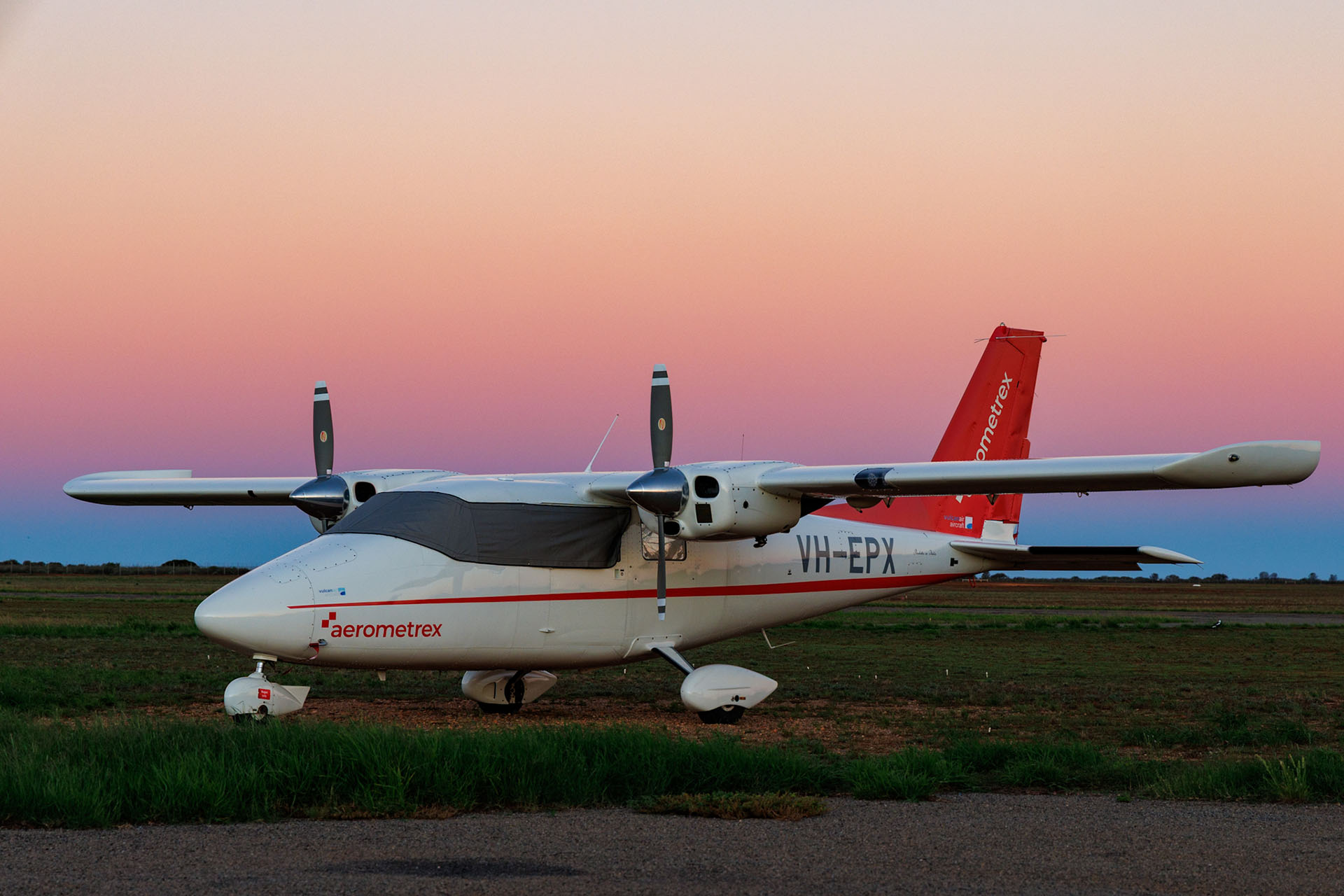
Over forty years ago, Aerometrex’s origin story was exactly that simple. A camera, an open door, and a clear view over Adelaide. Today, that same spirit of doing whatever it takes to capture the world from above drives one of Australia’s most sophisticated geospatial data operations.
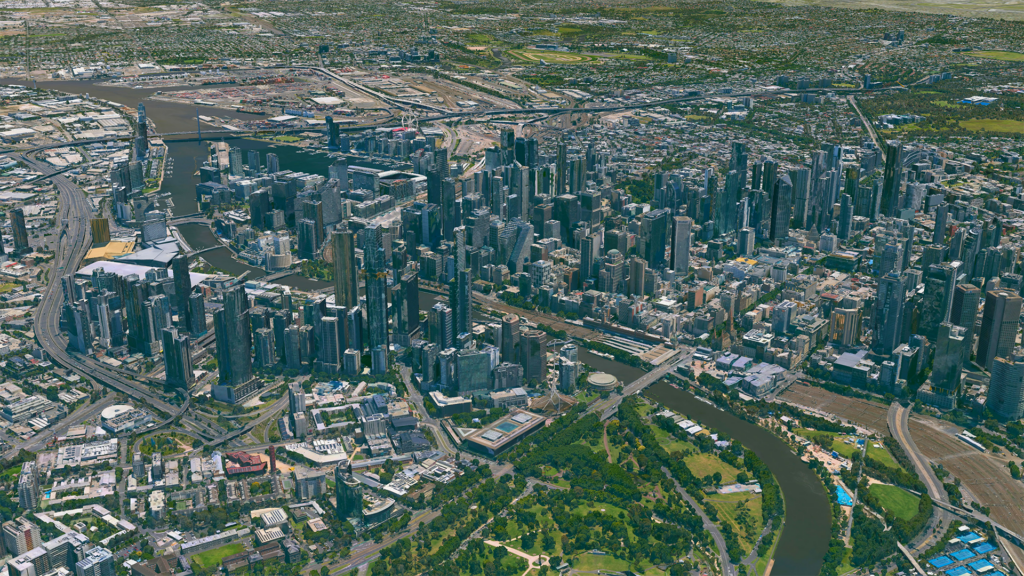
The numbers tell the story: more than 50 petabytes in the archive, 11+ petabytes of active datasets in daily use, and a 40-year library of aerial imagery that no competitor can replicate. Aerometrex serves engineers, environmental scientists, urban planners, and mining operators across Australia and around the world, and their competitive edge lies not just in the volume of data they capture, but in the historical precision of what’s in the archive.
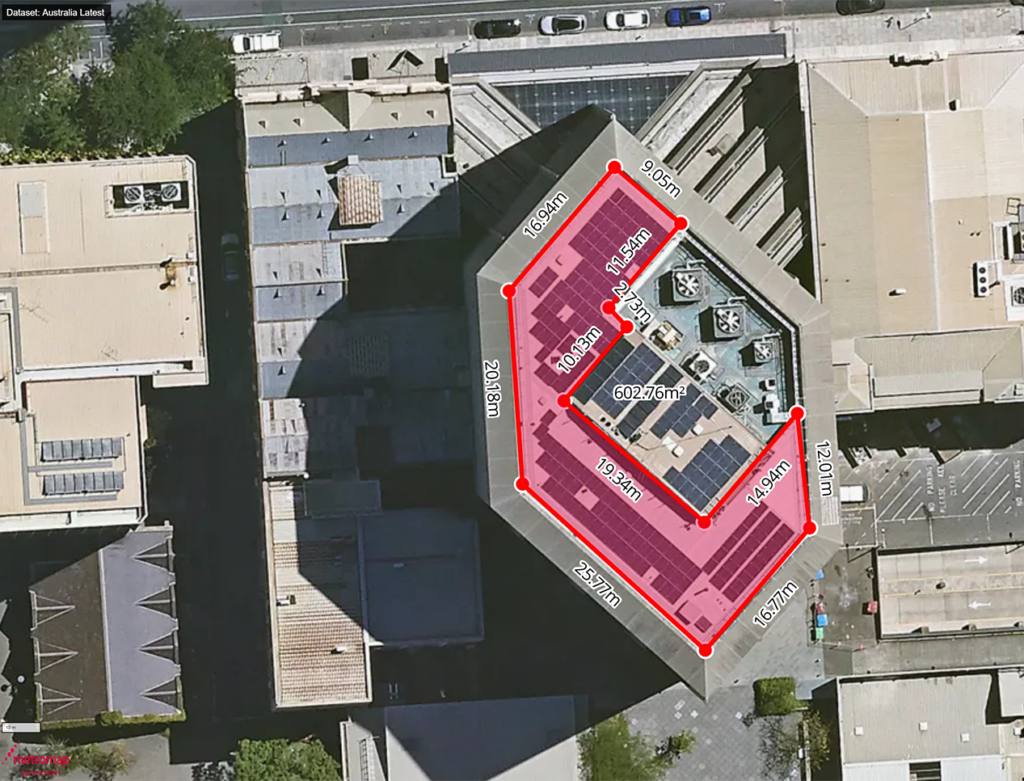
The production workflow is deceptively simple: fly, acquire, pre-process, process, make product, deliver. It’s been roughly the same for four decades. What’s changed is everything around it; approaching 55 TB of raw data captured and transferred to site weekly, multiple terabytes moving between offices and out to clients every day, and over a petabyte of new data outputs each month. At that scale, the pipeline that moves the data is just as valuable as the data itself.
55TB Per Week, Held Back by Post
Ask Shane Mortensen, ICT Manager, to describe their old workflow and you can hear the fatigue in his voice from the physical steps it took to collaborate.
“We fly a plane which has hard drives, and those get physically shipped to an office,” he explains. “That office would then do the pre-processing work and create products from that. Then they ship it to another location for the next team to do their thing.”

For a company operating across some of Australia’s most remote terrain, mine sites, rural infrastructure corridors, protected natural landscapes, that meant waiting on postal services, dealing with connectivity dead zones, and hoping nothing went missing or arrived corrupted.
CEO Rob Veitch puts it simply, “This is about more than moving files faster: It is about reducing the time between capture and customer value, while maintaining the accuracy, security, and reliability our customers expect from Aerometrex.”
At peak production, Aerometrex captures up to 55 TB of raw data in a single week, with nearly 10 TB of finalized product needing to reach clients, each with different specs and strict deadlines.
FTP was supposed to solve that problem. And for a while, it helped.
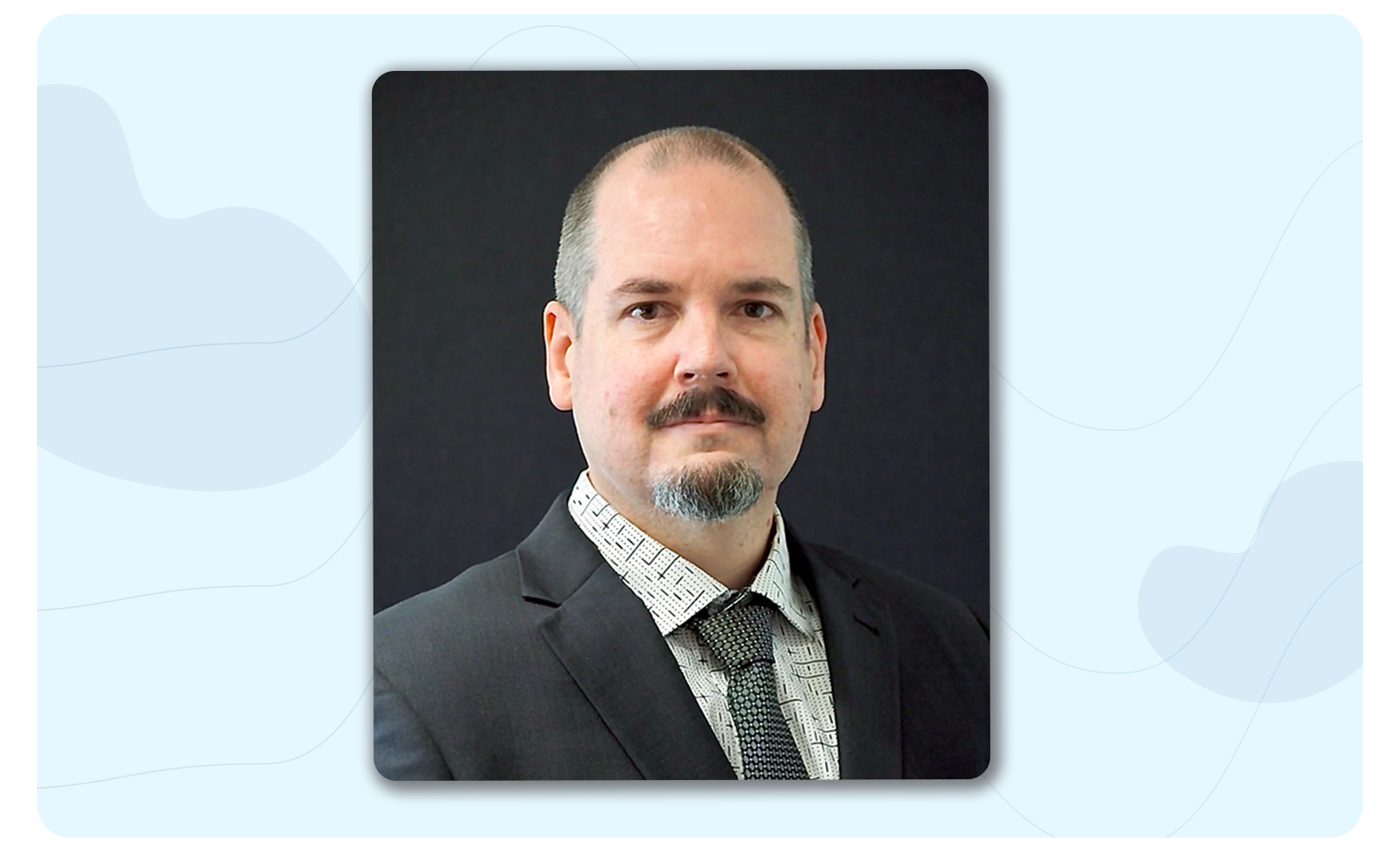
Shane Mortensen, ICT Manager, Aerometrex
“We had FTP in our workflow for at least 15 years. It was just a legacy tool, anyone could drive it. But with the growth of our distribution model, FTP became challenging to manage.”
As Aerometrex expanded, FTP limitations became impossible to ignore. Transfers failed silently, files landed in the wrong place, field teams needed IT just to get started, and government clients demanded tighter security than an open FTP connection could provide. Every transfer problem became a bottleneck that landed back on Mortensen’s desk. The system that was supposed to remove friction had become the source of it.
“There are no missed files, no incorrect destinations, and none of the complexity that comes with FTP. Those tools simply aren’t fault-tolerant enough for everyday users. Relying on ICT to manage the transfers just created bottlenecks, we needed a solution, not a roadblock.”
~Shane Mortensen, ICT Manager, Aerometrex
The usability gap made things worse. Aerometrex’s field teams aren’t IT professionals; they’re pilots, LiDAR technicians, and surveyors who need to move data between capture and processing without added friction. If moving data required too many steps, it simply didn’t happen consistently.
“If it’s got too many buttons, too many logins, too many complexities like that to manage, they just won’t do it consistently,” Mortensen says. “Things will go wrong.”
Eliminate delays and failed transfers when moving large datasets at scale.
One Tool, Anywhere Data Needs to Go
What Aerometrex needed wasn’t just faster data transfers. It was a single, consistent way to move data, one that worked the same way whether a team was uploading from a remote outback site via Starlink, moving datasets between Adelaide and Queensland, or delivering a finalized product to a client on the other side of the world.
That’s what changed with Signiant.
“Tools like Media Shuttle give us that single pane of glass. The team doesn’t know where it is. They just say, ‘I want it to go to Maroochydore’ or ‘Adelaide’ or ‘to this client,’ and it just works.”
~Shane Mortensen, ICT Manager, Aerometrex
Instead of stitching together different tools and processes, Aerometrex standardized on one workflow: data would now move the same way everywhere, regardless of location, network conditions, or destination.
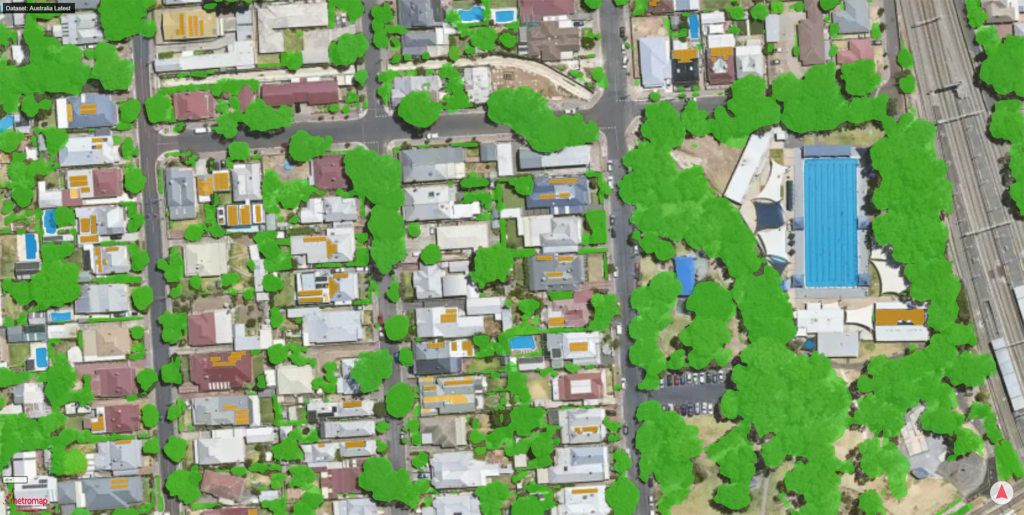
Behind that simplicity, the impact was immediate. Teams gained clear visibility into where data was and whether it had arrived. They could access and move files from any location without relying on IT. Once data was ready, it moved immediately, keeping workflows on track without delays or rework.
Aerometrex stood up portals for each workflow, connected their storage, and handed teams a view that felt immediately familiar; a folder browser, recognizable file names, drag and drop.
“It’s the set-and-forget. I don’t want to have to think about where the clutch is in a fancy new car.” Mortensen explained, “You get in and it’s the same everywhere.”
No training required and no helpdesk calls. Behind the scenes, Signiant’s patented accelerated transport technology handles the hard parts: optimizing transfers over varied network connectivity, sending large datasets, and ensuring every byte arrives where it’s supposed to.
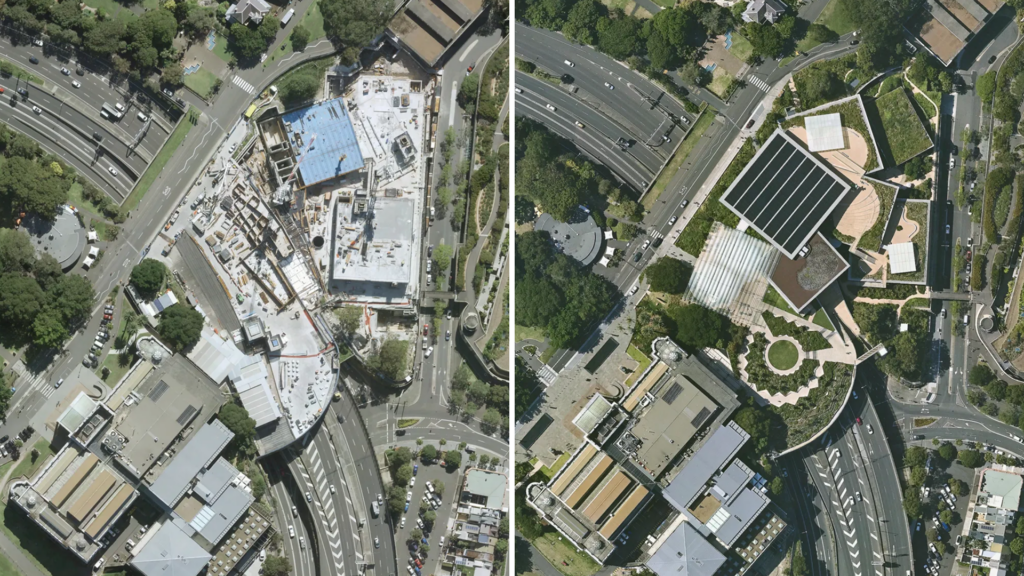
For Mortensen, the technical payoff was equally compelling. “The payoff is multi-file, parallel uploads and bandwidth saturation,” he says. Large datasets that once crept through unreliable connections now move at full throttle, keeping projects on schedule even when teams are hours from the nearest city.
Built for the Demands of Government Work
Not every client simply wants fast delivery. Some require it to be provably secure.
Aerometrex holds multiple contracts across government, defense, land mapping, and critical infrastructure; work that comes with stringent data handling requirements and little tolerance for error. In these environments, delivery timeliness and data integrity are equally non-negotiable, and every transfer must satisfy a verifiable chain of custody from the moment data leaves the aircraft.
That means no unencrypted protocols, no open FTP connections, no workarounds that create uncontrolled access points into internal systems. Signiant gives Aerometrex a transfer environment where access is controlled, transfers are auditable, and sensitive datasets move without exposing the infrastructure behind them. Government clients get the assurance they need, and Aerometrex gets a capability that’s increasingly a prerequisite, not just for retaining existing contracts, but for competing for new ones.
For organizations evaluating geospatial partners on the basis of data governance and security posture, that capability is a differentiator in its own right. Aerometrex isn’t just able to capture and deliver high-value data at scale — it can do so within the compliance frameworks that sensitive government programs demand.
Turning Speed into a Competitive Advantage
The business impact showed up immediately.
Client expectations had already been shifting as regional customers who once accepted slower turnaround started demanding faster delivery. Monthly data delivery became a competitive liability.
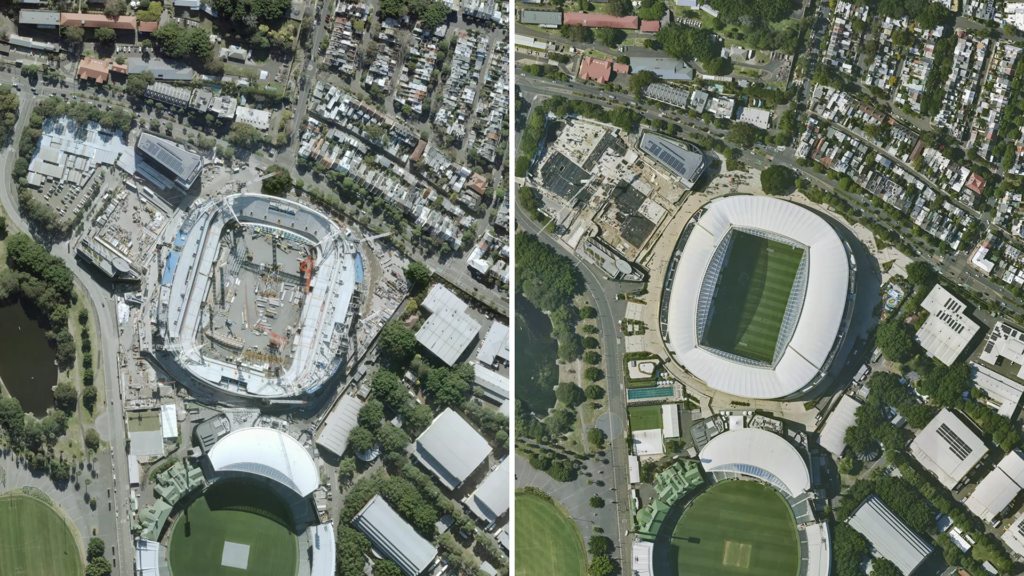
Aerometrex needed to move faster, and now it could.
That shift gave Aerometrex full visibility across their workflow, simplified access for teams in any location, and the ability to act on data immediately, turning speed into a measurable business advantage.
At the same time, operational friction disappeared. Sensitive government data moves securely without exposing internal systems. Remote teams transfer data independently, without relying on IT. Now, the entire workflow, from capture to final delivery, runs on a single, consistent system.
As capture frequency rises, sensor types multiply, and client expectations continue to climb, Aerometrex is ready.
Forty Years of Data, Built to Keep Moving
What once started with a man leaning out of a helicopter has transformed into one of the most expansive geospatial archives in the southern hemisphere. With 50+ petabytes of aerial history, Aerometrex is still growing, archives are still in active use and now moving faster and more securely than ever before.
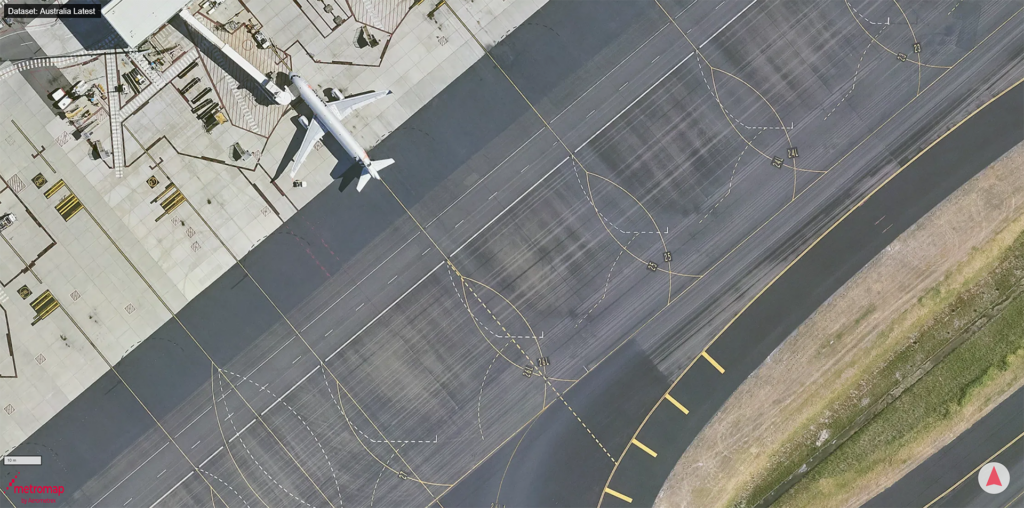
“Our goal is simple: capture the data, process it efficiently, and deliver it to customers quickly, securely, and without compromise,” Veitch points out. “That is what our customers expect, and that is the benchmark we are achieving.”
With Signiant, Aerometrex gained an infrastructure layer that allows every other part of the business perform more smoothly; field teams work without friction, offices collaborate without delays, government clients receive sensitive data they can trust, and customers across every sector get results in hours, not weeks.
As capture technology advances, senor payloads grow, and the demand for high-frequency, high-resolution geospatial data continues to rise, Aerometrex is positioned to scale without breaking stride. The workflow that once relied on postal runs and legacy FTP now runs on a platform built for exactly this kind of growth.
The data keeps coming and with Signiant, it keeps moving.
Discover how teams handle growing datasets without slowing down operations.
Explore More Resources
View All
5 Things Customers are Doing to Make Remote Production Work

What's Slowing Down Sports Content Delivery