Why Traditional Data Transfer Tools Fail Modern Geospatial Teams
Remote work is nothing new in the geospatial industry. What is new is the scale and speed at which data must move to keep projects on track.
Between UAV captures, LiDAR surveys, and increasingly dense datasets, geospatial teams are producing more data in more places than ever before. But many workflows are still held together by tools designed for smaller files and stable networks. When those tools are pushed beyond their limits, teams feel it immediately.
Uploads stall, transfers fail overnight, field crews wait on confirmation, processing teams sit idly by, and IT is left managing a patchwork of fixes instead of a workflow.
Where Traditional Geospatial Data Transfer Tools Fall Short
Modern geospatial data capturing depends on data movement predictably from the field to processing environments, collaborators, and long-term storage. That breaks down when core capabilities are missing.
Every geospatial workflow is different, but unreliable data movement shouldn’t be part of the job
See how Signiant fits into real-world geospatial environments by connecting with our team to talk through your specific challenges
When Data Movement Becomes a Bottleneck
When workflows aren’t designed for distributed data capture, small issues escalate quickly. A missed transfer can delay processing by hours or a full day, and repeated failures create uncertainty around delivery timelines. Over time, teams spend more effort managing data movement than extracting value from the data itself.
Reliable data movement is about consistency, accountability, and removing friction from every handoff in the workflow, rather than just how fast it can move.
How Signiant Fits into Modern Geospatial Workflows
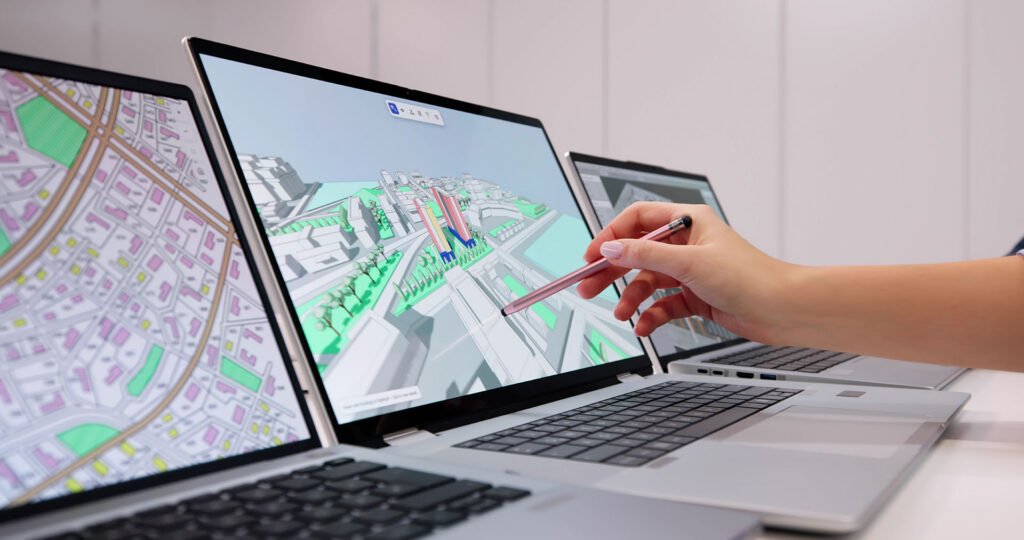
Signiant helps move geospatial, AEC, BIM or any other large, high-value datasets as part of everyday operations. This translates into fast, resilient transfers, automatic recovery over unreliable connections, and the ability to move data across environments without giving up control, visibility, or security.