Extending Media Workflows with Signiant APIs
Real-World Use Cases and Developer Resources
Every media organization has its own rhythm. A new episode gets uploaded at midnight. Dailies land in a cloud bucket by 3 p.m. Review cuts are due by the end of the day. Changes and fixes come at all hours. These workflows may be unique in their details, but they all share something in common: behind the scenes, files are constantly moving. And in many cases, it still takes too much manual effort to keep them moving smoothly.
Signiant APIs change that. Built to support integration and automation across modern media operations, these APIs let developers and operations teams plug Signiant’s fast, secure file transfers into their systems — on their terms.
Whether you’re managing ingest from field crews, delivering finished content to OTT platforms, or syncing files across global teams, Signiant provides the tools to connect your workflows and make them more responsive, efficient, and reliable.
APIs That Work the Way You Do
Signiant’s APIs span Media Shuttle, Jet, Flight Deck, and the Signiant Platform’s media services. Each provides secure, programmatic access to essential functions:
Because these APIs are REST-based and use OAuth for authentication, they’re easy to work with, whether you’re integrating with a content management system, workflow engine, or internal tool.
Bringing Automation to Life
Here are just a few ways developers are using Signiant APIs in the real world:
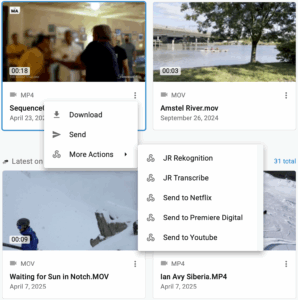
- A studio integrates the Signiant Platform into its MAM system, so files are automatically delivered to distribution partners when edits are approved.
- A broadcaster builds a lightweight front-end that generates Submit portal links through Media Shuttle APIs, making it easy for freelance contributors to upload footage and metadata.
- An OTT vendor automates delivery to downstream API endpoints at major streaming services, eliminating manual handoffs.
- A digital media team hooks a webhook listener into Slack to alert producers when new content arrives.
- A post house uses webhooks to trigger a cloud-based transcode job as soon as files land in a watch folder.
These aren’t one-off tricks. They’re sustainable, scalable practices that turn file moveme
Get Started with Real Code
To make it easier to build and experiment, Signiant offers a code samples portal with hands-on examples in Java, Node.js, and Python. There you’ll find:
These samples give developers a real head start — no need to start from scratch or reverse engineer API behavior. You’ll find clear examples of authentication, error handling, and job configuration, all ready to adapt to your needs.
You can also tap into Signiant’s OpenAPI specifications, which make it easy to generate your own API clients or plug into tools like Postman or Swagger UI.
Building APIs with Confidence
Everything you build on Signiant’s APIs benefits from the same infrastructure trusted by thousands of media organizations worldwide. The platform handles transfer acceleration, security, reliability, and scale — so your team can focus on what matters: getting the right content to the right place, on time.
Whether you’re building custom ingest tools, simplifying partner delivery, or just trying to eliminate workflow friction, Signiant APIs give you a flexible, production-proven foundation.
Explore what you can build at developer.signiant.com or dive into the examples at code-samples.developer.signiant.com.