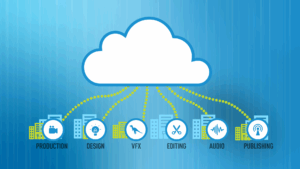
Post-production today isn’t defined by a single storage strategy. It’s defined by movement — files moving across teams, locations, cloud buckets, archives, and devices. Most conversations we have with post teams start in the same place, “Our content is everywhere, and we need to work faster.”
Cloud is a part of the story, but it’s rarely the whole story. While some facilities are leaning fully into cloud-first pipelines, most are working across a blend of on-prem systems, cloud, shared editorial environments, and third-party platforms.
Hybrid Isn’t a Strategy, It’s the Reality of Modern Post
No two productions are the same. One might rely heavily on high-performance on-prem storage for finishing. Another may push dailies straight to the cloud for remote editorial. A third might bounce between both based on schedule pressures.
Hybrid workflows emerge naturally because:
Flexibility, not standardization, is what keeps work moving.
The Real Challenge: Finding and Using What You Already Have
The question creative teams ask is simple: How can I get to the content as fast as possible?
When content scattered, duplicated, or locked inside isolated, proprietary systems, creative time gets eaten up by hunting rather than making. That’s why storage independence has become such a priority. Teams want to preview, search, and interact with media wherever it lives instead of constantly shuffling it around.
Why Storage Independence Matters
As content volume increases and productions rely on a variety of storage options and locations, the ability to connect storage rather than consolidate it is the smarter move.
Storage-agnostic workflows give teams the freedom to:
It’s all about making every environment work together.
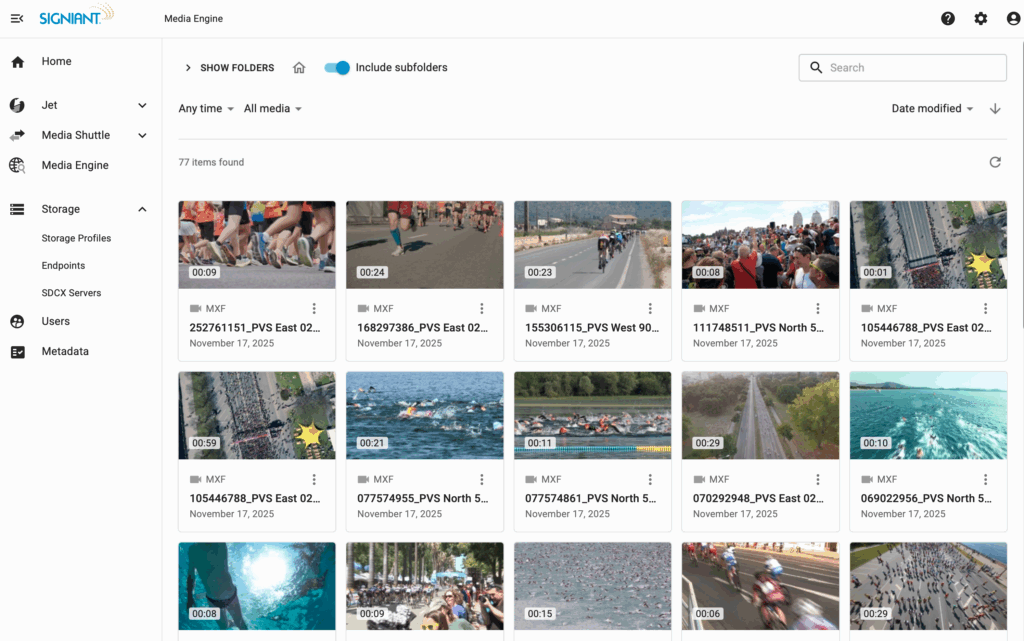
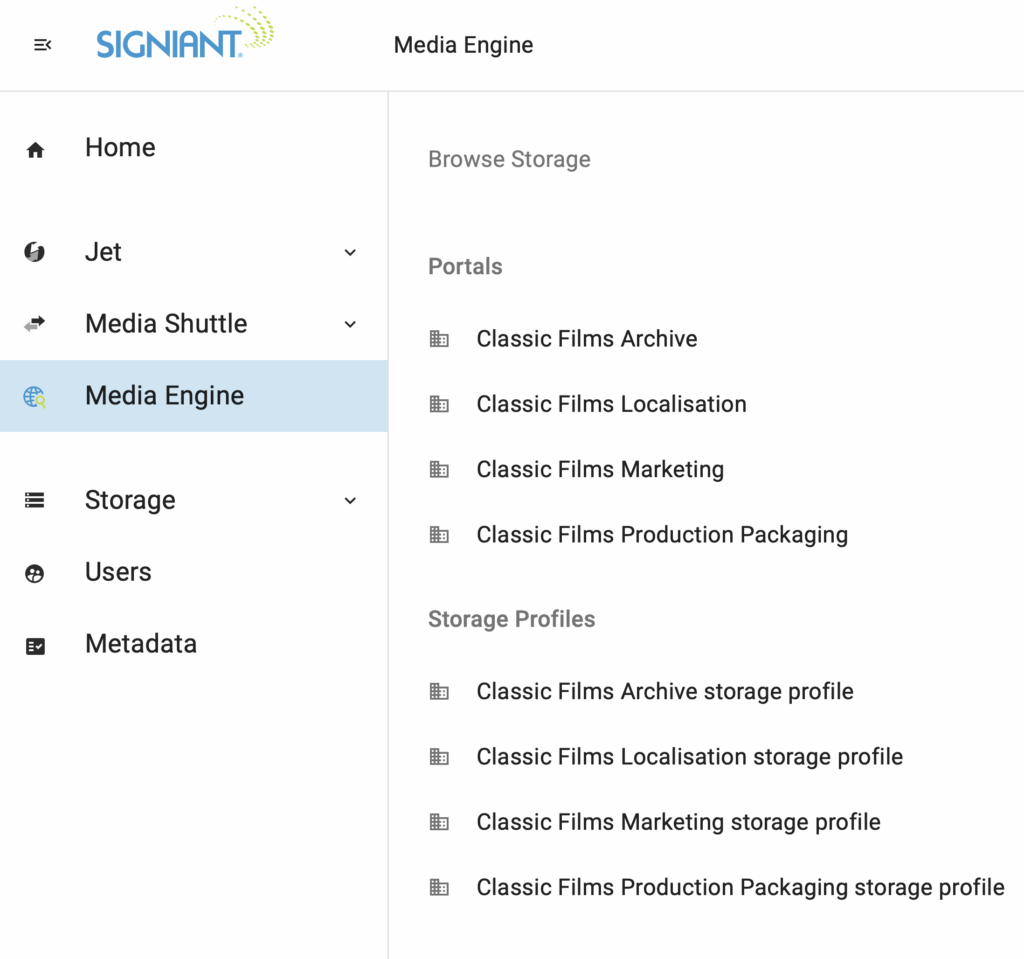
For many teams, that connection point is Signiant. The Signiant Platform is designed to sit above your existing storage, providing a single pane of glass to see all your content. With secure, granular access and accelerated content flow, Signiant connects workflows no matter where your media lives. Whether you’re working with on-prem systems, cloud object storage, or a mix of both, Signiant brings all of it into a unified, accessible workflow.
Practical Lessons from the Field
Years of talking to post houses, studios, and finishing teams reveal a consistent pattern: workflow friction happens when people can’t see what they have or get it efficiently where it needs to go.
Maybe it’s content buried in a partners archive.
Maybe it’s footage from a location shoot on a fast turnaround.
Maybe it’s media getting processed in in the cloud.
When teams can gain visibility and access across all of those sources, and only move files when absolutely necessary, everything speeds up: creative decisions, technical checks, finishing, and delivery.
Looking Forward
There will continue to be no shortage of public and private cloud options or an abundance of on-prem storage choices. What’s changing isn’t the destination of the asset, it’s the connectivity of systems. The real evolution is in the tools that let these environments work together so content can move, or stay put, with intention.
The teams that thrive will be the ones who stay adaptable, choosing the right environment for each job and leaning into tools that bring those environments closer together.